
The Ray Lewis Ravens, '85 Bears, and Belichick Giants are some of the greatest defenses the National Football League has ever seen. They were stone walls, high-powered, and champions. Scoring more than ten points against any of these teams was an accomplishment- a win in and of itself. However, scoring less than twenty against any team nowadays is almost always another notch in the loss column.
The modern NFL is chock full of defenses who fail to rise to the occasion, ushering in an era of high powered offense and high scoring games. No matter the reasons for this phenomenon (although we'll get to that later), the transition is apparent and an undeniable fact.
A recent game between the Kansas City Chiefs and Los Angeles Rams put this trend on display when the two teams combined for 105 points, 1001 yards, and 56 first downs. This would be absolutely shocking for the football world only a few decades ago. Although that particular scoreline is still the largest of the season, games including Chiefs-Patriots, Saints-Buccaneers, and Browns-Raiders all had score totals of 83, 88, and 87 respectively. As of week 12, games are averaging a record 48.4 total points per game. Even more impressively, four of the seventeen highest scoring games in NFL history have come this season.
Total offensive points have increased dramatically over the last 60 years as indicated by the graph below:
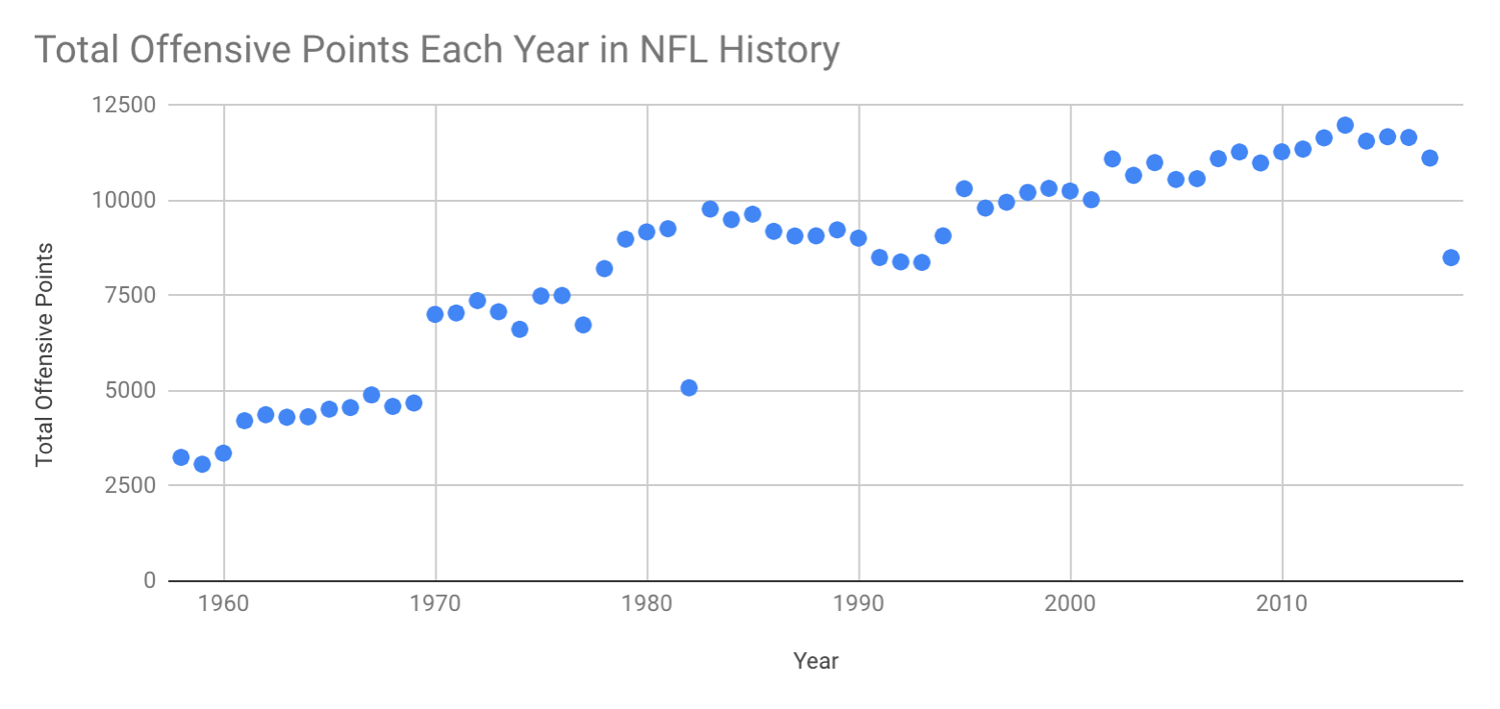
*The 2018 season is ongoing, thus showing a smaller overall value than previous years.
So, what is causing this apparent lapse in defensive ability?
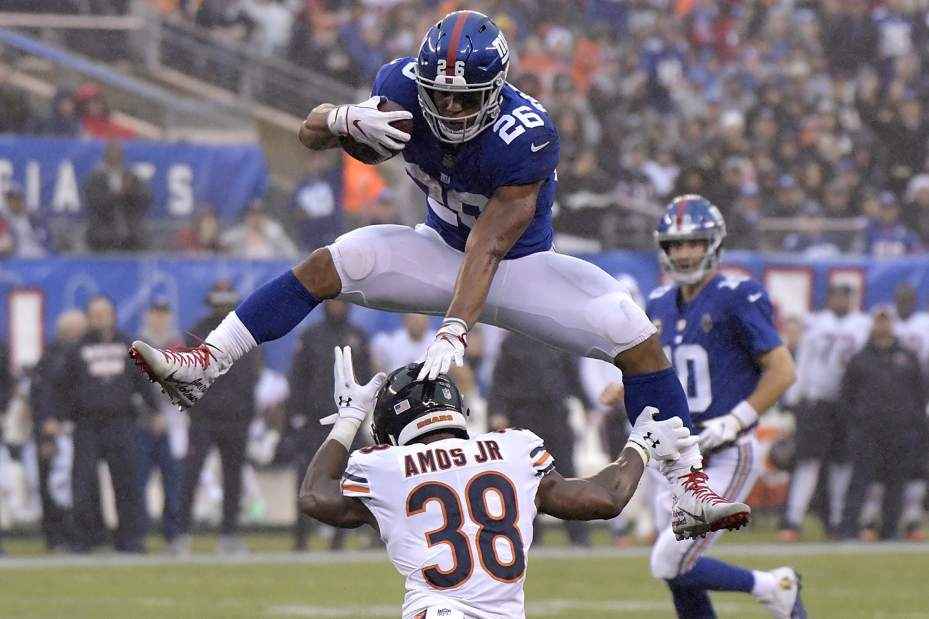
One argument centers around NFL rules and officiating. A sudden emphasis on the roughing the passer rule this year has resulted in defensive players displaying caution around the quarterback, allowing offenses to take advantage of the hesitations.
One prominent example was displayed in primetime when Chiefs linebacker Breeland Speaks let go of Tom Brady after having two arms around him because he "*thought the ball was gone" and did not want to risk getting a penalty.
Various NFL defensive players have expressed frustration with this type of officiating. Star Saints Defensive End Cameron Jordan stated that in order to sack a quarterback without receiving a penalty, you must "**put a pillow underneath his head [and] read him a bedtime story." Hyperbole aside, the numbers seem to back up his sentiment. Even though the "roughing the passer" part of the rule book was completely left alone this offseason, the frequency of the penalty has increased 65% in the first six weeks of the season.
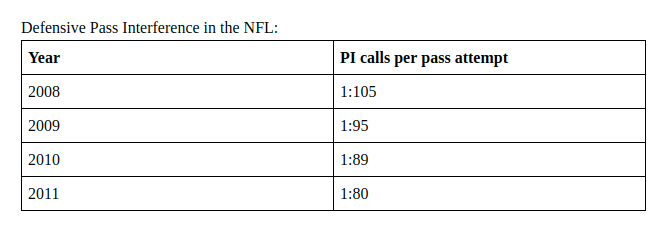
Over the last two decades, a series of rule adjustments that favor receivers in the open field, including the protections of defenseless players and an increased emphasis on defensive pass interference, have also most likely resulted in an increased ability for offenses to earn yards and score. If we take a look at the table below, the ratio of Defensive Pass Interference calls to total pass attempts has narrowed every single year.
Defensive Pass Interference in the NFL:
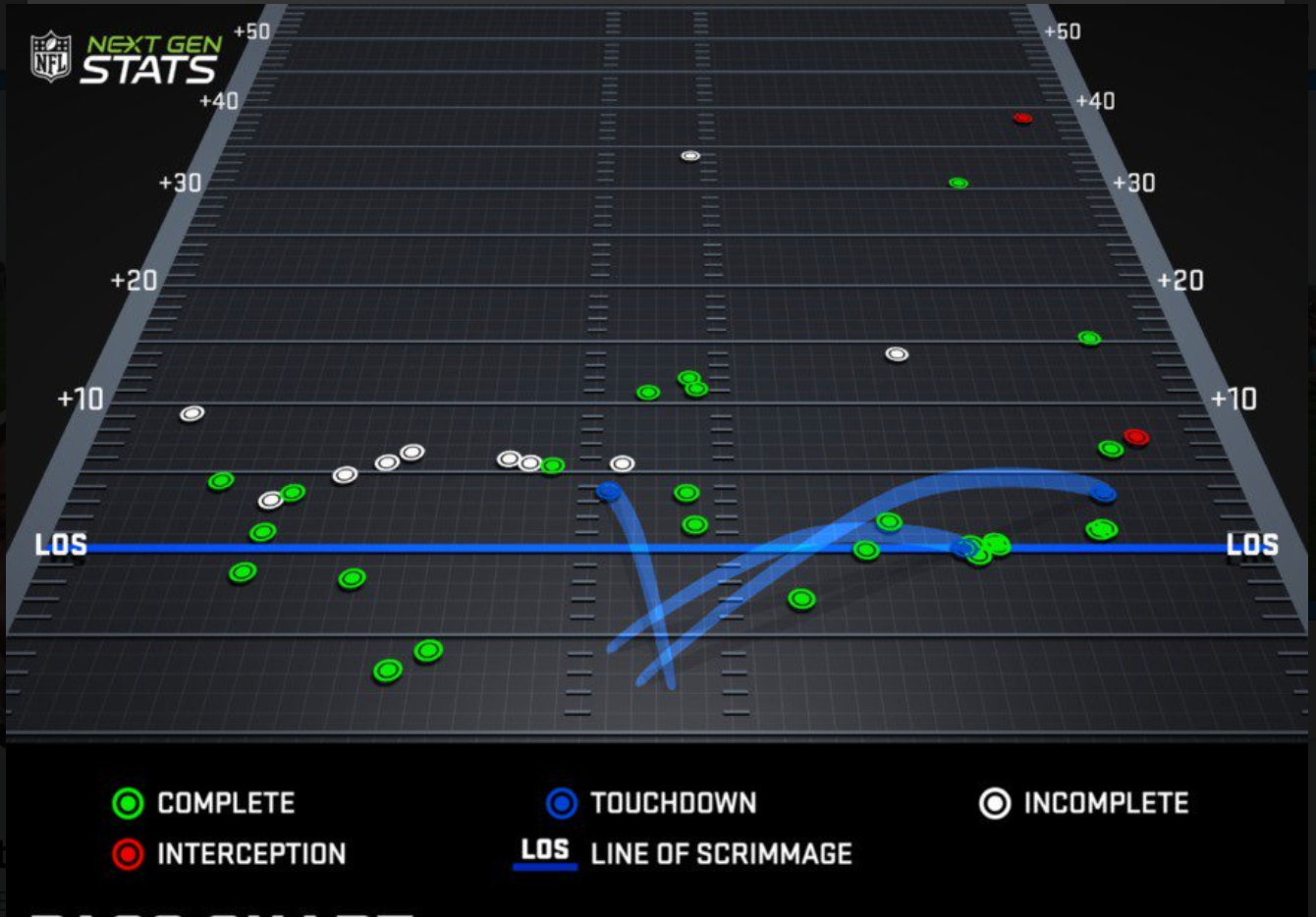
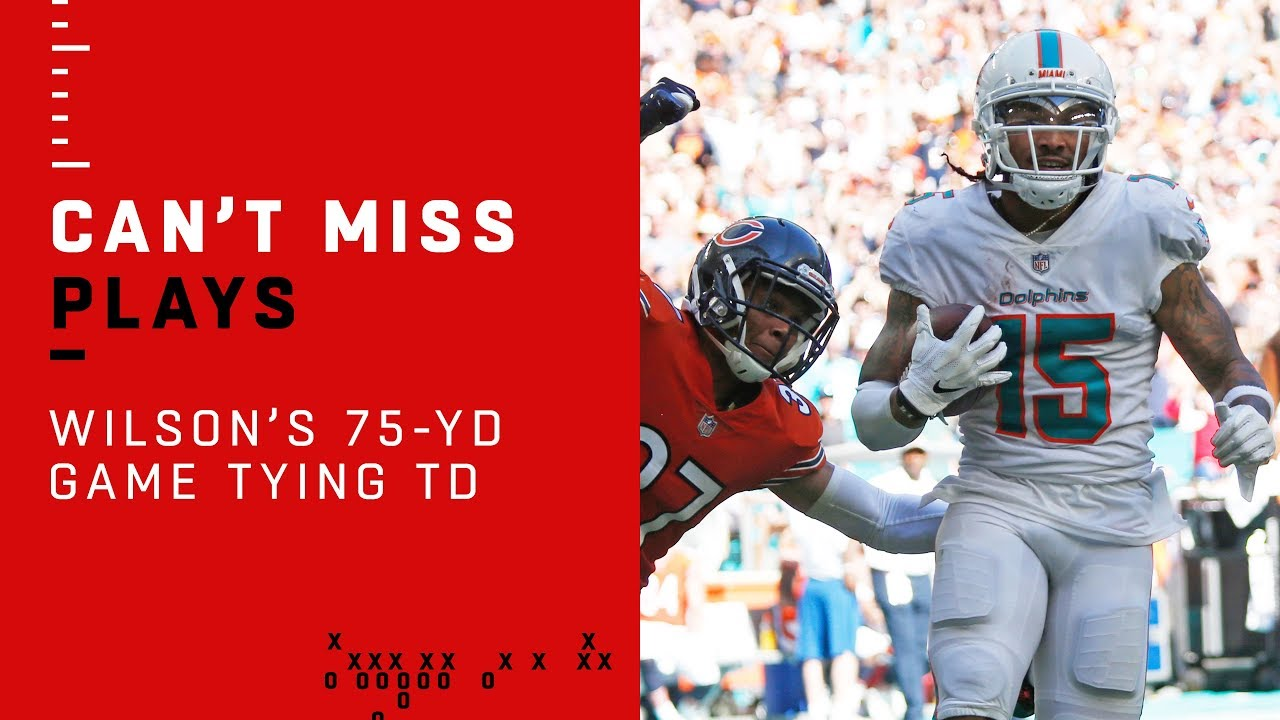
Alternatively, defenses around the league might just be really bad. There are plenty examples already this season of defensive players making low effort tackles on runners in the open field, resulting in tremendously long plays and touchdowns. For example, in the Dolphins' game against the Bears in Week 6, quarterback Brock Osweiler threw 380 yards and three touchdowns. This is interesting, considering that all but one of his completions came within 15 yards of the line of scrimmage. This means that most of his total passing yards came from yards after the catch.
*source: ng.com
This visualization above is a representation of Brock Osweiler's game against the Bears. fit displays how far away from the line of scrimmage the receiver catches the ball, disregarding yards after the catch. According to the key, all three of his touchdown passes came from completions within 5 yards of the line of scrimmage. One of these touchdowns was a 43 yard completion over the middle with three missed tackles by Bears defenders in the open field.
Albert Wilson's 75-Yd Game-Tying TD! Watch later Share
The Kansas City Chiefs' record-setting 10-game streak of scoring a touchdown of 50 yards or longer has exposed just how bad defenses are this year.
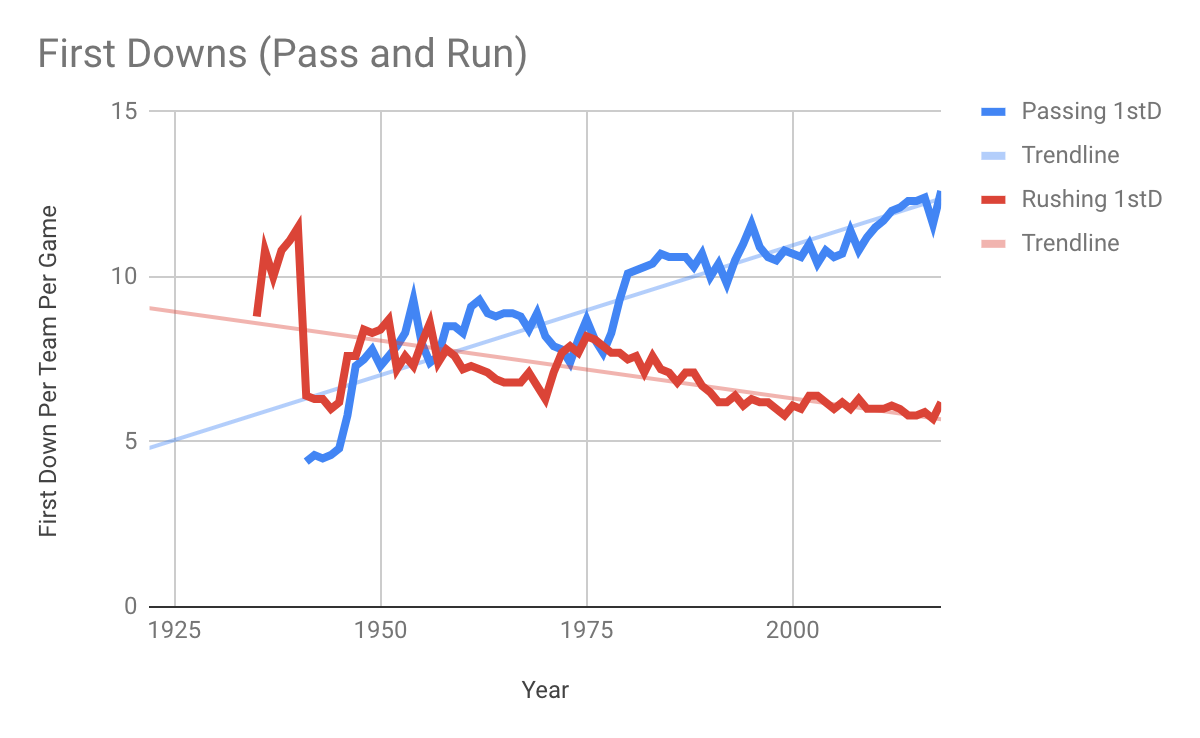
The third and most potentially potent theory revolves around the gradual transition from run- heavy games to passing gameplans. The switch from majority running to majority passing teams came over 30 years ago when elite quarterbacks rose up to produce far more yards than were previously possible. However, the uptick has not yet stopped, and offenses are still moving more and more away from the run. The graph below displays the number of first downs achieved by each team per game. The trendlines shown have r-values of 0.89 and 0.84 for passing and running respectively, strong linear correlations dictating associations between the years that have passed and the rates of first downs according to these different methods.
*source: ng.com
Passing in the NFL, in conjunction with the aforementioned rule changes that favor passing, are creating high-scoring and high-yardage games.
In summary, defenses are struggling constantly now, and it has become rarer and rarer for them to be successful against modern, high-powered offenses. All important offensive metrics, total yards, total points, and first downs all point towards offenses reaching all-time highs in these categories this season.
The causes of this phenomenon are three-fold: rule officiating, limited ability, and a transition from run to pass. The league is changing in what aspects of the game it values, and offense is at the top. It is no surprise as well that NFL ratings are up 5% this year for the first time in over six years. These high-scoring games, while mostly a spectacle of fast playmakers running up and down the field, are very entertaining to the general public. While football purists might be barking on Sportscenter about a return to "real" football, this new game will be the NFL for the foreseeable future.
*www.sportingnews.com
**www.sbnation.com